


+

Back
Country
Back
My vehicles
-
Spare parts for your car

-
Information


 Fuel pump
 Injector seals
 Throttle body
 Injectors
 Fuel cap
 Fuel pressure regulator
 Fuel tank
 High pressure fuel pump
 Fuel pressure sensor
 Accelerator cable
 Fuel level sensor
 Carburetor parts
 Repair kit, injection nozzle
 Fuel tank breather valve
 Hose, fuel overflow
 Fuel rail
 Seal, injection pump
 Fuel pump repair kit
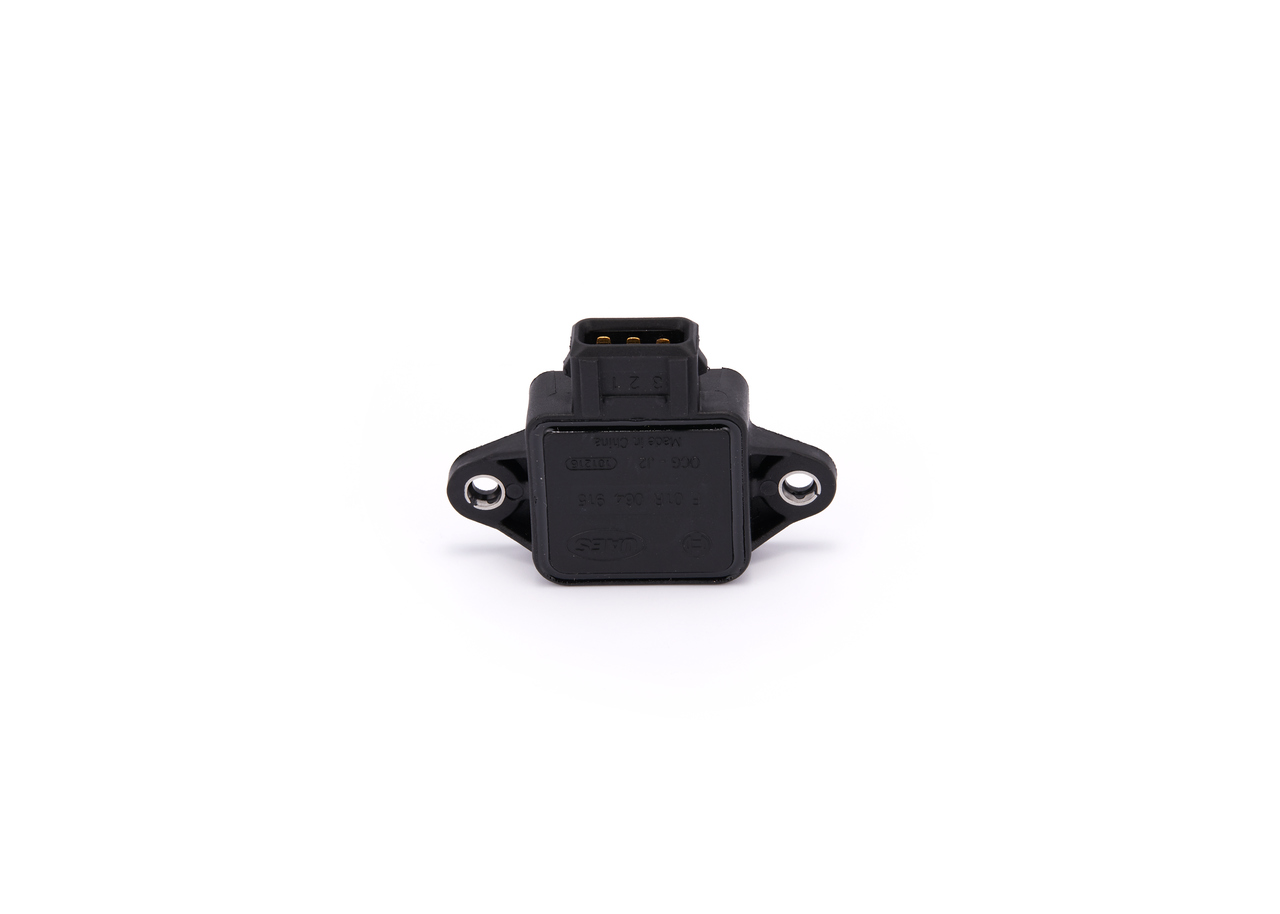
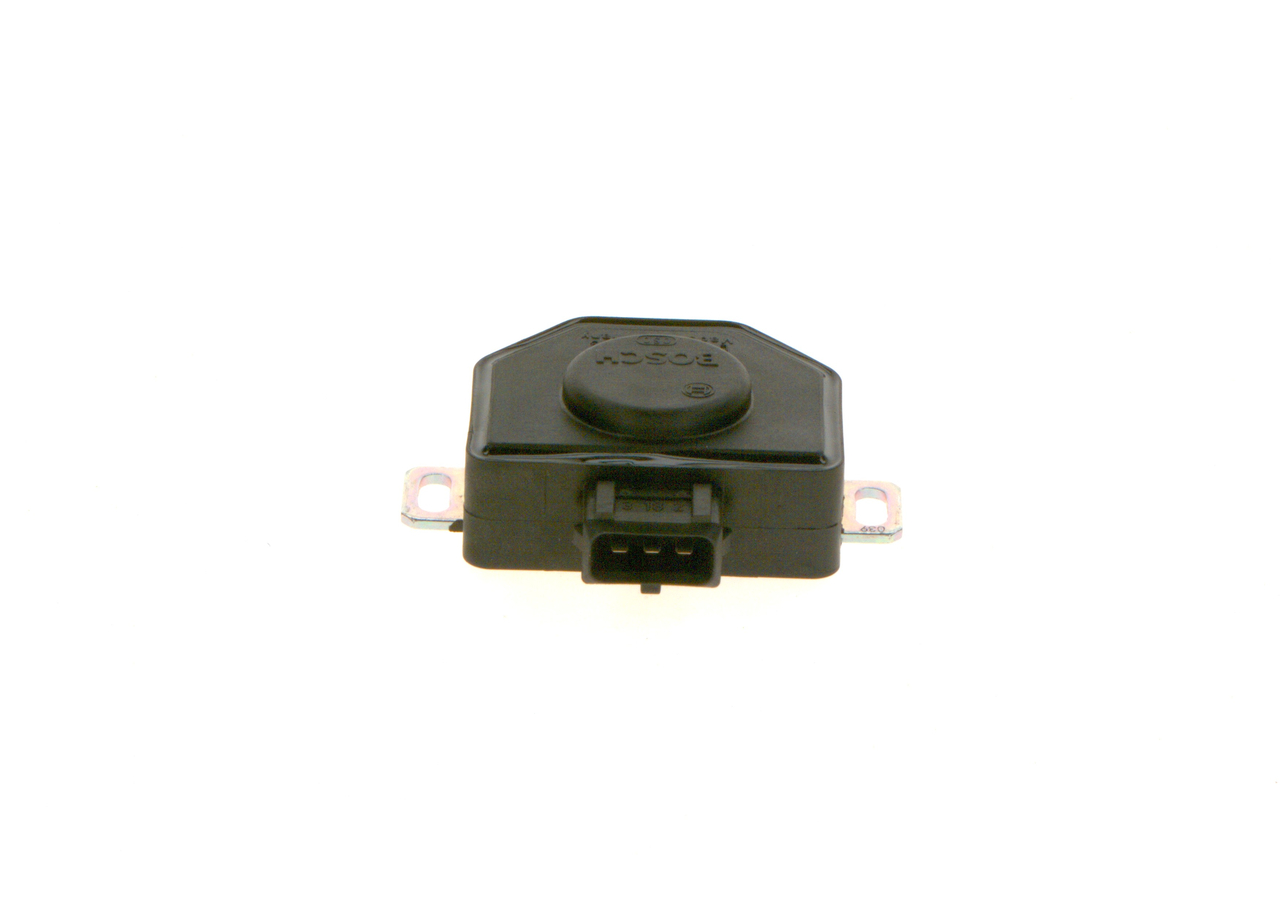
Throttle valve sensor measures the current position of the throttle valve. In principle, we speak about an ordinary sensor. If the throttle valve turns, the sensor also turns. Therefore, electrical resistance also changes. The control unit processes the current value to calculate the required amount of fuel. Throttle valve sensor is also called potentiometer. It is situated on the throttle valve and is accessible. There is a contact clip on the sensor, so it is easy to replace it.
Faulty throttle valve sensor is shown up on irregular engine speed when you click "gas pedal". Potentiometer could stall or it could hardly turn. If the sensor is wrongly installed, there also could occur limiting of the maximum engine power. Control unit reads data from the sensor. Sometimes it is enough to remove the throttle valve sensor and to clean it. If it fails, it is necessary to replace the sensor. It is not difficult. But the sensor must be connected after installation.
Therefore, it is reasonable to install a new throttle valve sensor in a repair shop. It is impossible to repair the sensor without service manual and necessary meters. Moreover, reasons of failure can be different. Therefore, before replacing it is necessary to make a careful diagnostics. In our online store you can buy other spare car parts. If you need coolant system branch, clutch pressure plate, air-cleaning equipment, muffler, bent shafts’ bearing insert, lambda sensor, oil temperature sensor, oil housing and other spare car parts, use the search function.
One of the best methods of checking the working order of the component is measuring the voltage on its terminals. To do so, turn ignition on and attach the probe of the voltmeter or multimeter between the slider and the vehicle body. When the throttle is closed, the indicator value should not exceed 0.7 V. After that, manually open the throttle. In this position, the maximum voltage should be more than 4 V. If the component is serviceable, then, in the course of changing the throttle position, the value should change smoothly, without visible fluctuations. Installation of the sensor that is definitely serviceable will allow checking related components and systems.
You may notice that the throttle position sensor requires diagnostics by the following symptoms:
The main reason of the loss of contact between the slider and the resistive layer is a damaged contact tip. A defective element forms burrs on the resistive layer, which results in malfunction of other tips. Further use of the component entails abrasion of the resistive layer, which leads to failure of the core. The resistive coating at the base of the slider often wears off, which results in the impossibility of increase of the output signal linear voltage.
The reason of sensor failure may be oxidation of the contacts. It occurs due to moisture ingress on the component. For example, it may be the result of the increased humidity in the engine compartment.
Premature wear of the component may be the result of its poor quality. There are variable resistance sensors and contactless sensors. The latter are considered to be more reliable, and have longer service life.
In the course of restoration, the contacts of the sensor are cleaned, and insulation is renewed. However, from the viewpoint of material and time costs, it is more expedient to replace the component. To do this, first turn off ignition, and disconnect the wire from the negative terminal on the battery. Release the clip that holds the sensor in place, remove the terminal block from it, and then unscrew the two mounting bolts. Then remove the old component and install a serviceable one, replacing also the sealing gasket if necessary. Connect the terminal block. Thoroughly tighten the mounting bolts to eliminate the possibility of sensor vibration.
 Parts Details
 Parts Details
 Parts Details
 Parts Details
 Parts Details
 Parts Details
 Parts Details
 Parts Details
 Parts Details
 Parts Details
 Parts Details
 Parts Details
 Parts Details
 Parts Details
 Parts Details
 Parts Details
 Parts Details
 Parts Details


